Get Residential Roof Replacement
Residential roof replacement services help property owners address damaged, aging, or leaks by replacing old roofs with new materials, ensuring durability and protection.
If you’re considering residential roof replacement, you’re in the right place to explore your options. Property owners often look into roof replacement to enhance curb appeal, improve energy efficiency, or address aging materials that may no longer provide adequate protection. Planning such a project involves evaluating different approaches and understanding what local contractors can offer to meet specific needs. This page aims to help homeowners compare local service providers and find the right fit for their roofing projects.
By browsing the available local contractors, property owners can gain insights into the services offered and identify providers experienced in residential roof replacement. Whether upgrading an existing roof or replacing a worn-out structure, understanding the range of options helps in making informed decisions. Keep reading to discover how local pros can assist with planning and executing a roof replacement tailored to your property’s requirements.
- Residential Roof Replacement - homeowners needing a new roof due to aging, damage, or leaks.
- Shingle Roof Replacement - property owners looking to upgrade or repair asphalt shingle roofs.
- Tile Roof Replacement - residents seeking to replace or upgrade tile roofing for durability or aesthetic reasons.
- Metal Roof Replacement - those wanting to switch to or replace with metal roofing for longevity or energy efficiency.
- Complete Roof Overhaul - individuals requiring a full roof replacement after severe weather damage or structural issues.
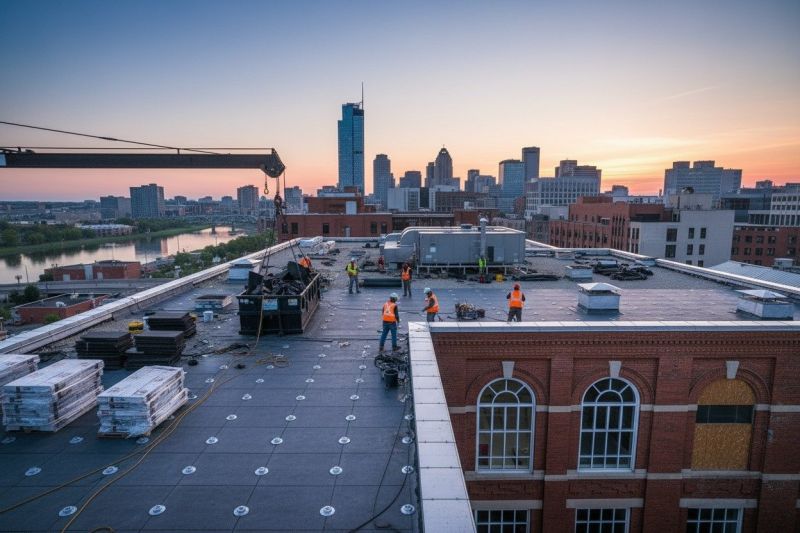
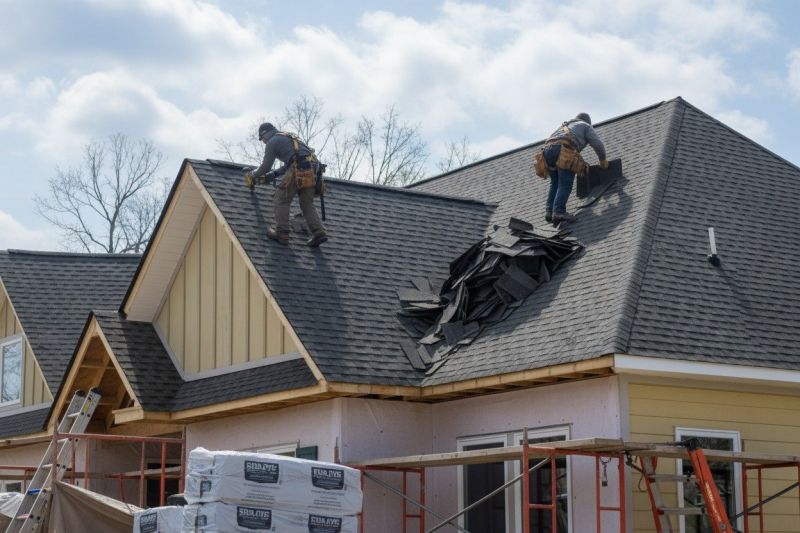
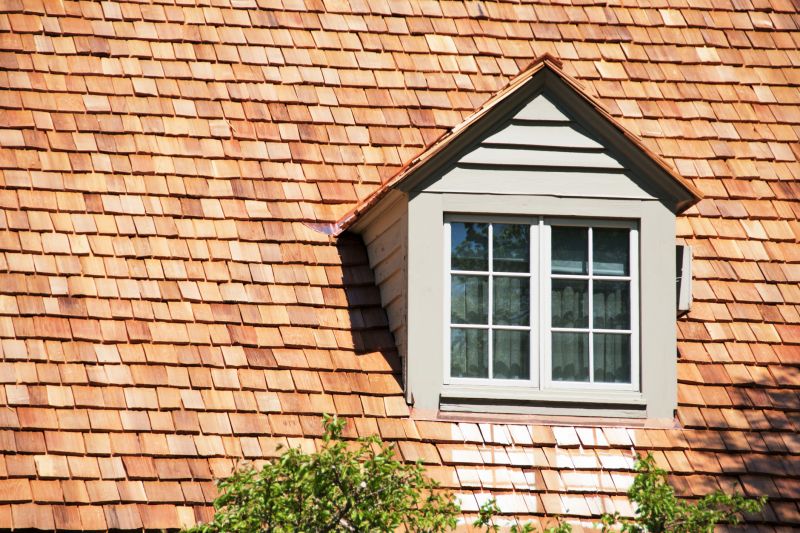
Residential roof replacement services involve removing an existing roof and installing a new one to ensure the home remains protected from the elements. This process typically includes inspecting the current roof, removing damaged or outdated materials, and carefully installing new shingles, tiles, or other roofing materials. The goal is to restore the roof’s integrity, improve its appearance, and extend its lifespan, helping homeowners maintain the value and safety of their property.
These services are often needed when a roof shows signs of significant damage or deterioration. Common problems that lead to roof replacement include persistent leaks, extensive shingle or tile damage, widespread moss or algae growth, or when the roof has simply reached the end of its functional life. A replacement can also be a proactive step to prevent future issues, especially if the existing roof no longer provides adequate protection or has become structurally compromised.
Various types of properties may require roof replacement, including single-family homes, multi-family residences, and even some commercial buildings that resemble residential structures. Homes with aging roofs, those that have experienced severe weather damage, or properties undergoing renovations often benefit from a full roof replacement. It’s a practical solution for homeowners seeking to improve their property's durability, curb appeal, or to address longstanding roofing problems that cannot be fixed through repairs alone.
Choosing to replace a roof can resolve many ongoing issues, such as leaks, drafts, and energy inefficiency caused by poor insulation or damaged materials. It also helps prevent more costly repairs down the line by addressing underlying problems comprehensively. Local contractors who specialize in residential roof replacement can evaluate the specific needs of each property and recommend the best materials and solutions to ensure a durable, long-lasting roof that enhances the home’s safety and appearance.
The overview below groups typical Residential Roof Replacement projects into broad ranges so you can see how smaller, mid-sized, and larger jobs often compare in your area.
In many markets, a large share of routine jobs stays in the lower and middle ranges, while only a smaller percentage of projects moves into the highest bands when the work is more complex or site conditions are harder than average.
Smaller Repairs - minor roof repairs typically cost between $250 and $600, covering issues like small leaks or damaged shingles. Most routine repairs fall within this range, depending on the extent of damage and materials used.
Partial Replacement - replacing a section of a roof or specific areas usually ranges from $1,000 to $3,500. Many projects in this category are mid-sized, with fewer reaching the higher end for more complex areas or materials.
Full Roof Replacement - complete residential roof replacements generally cost between $5,000 and $15,000, depending on roof size, materials, and complexity. Larger, more intricate projects can exceed this range, but most fall within the middle tiers.
High-End Projects - premium materials, larger homes, or complex architectural designs can push replacement costs beyond $20,000. These projects are less common but are handled by local contractors with specialized expertise.
Actual totals will depend on details like access to the work area, the scope of the project, and the materials selected, so use these as general starting points rather than exact figures.
Gutter Replacement - this project involves similar planning and skill in roofing systems, ensuring proper drainage and water protection for residential buildings.
Attic Insulation Installation - experts use comparable tools and techniques to improve energy efficiency and indoor comfort through proper insulation methods.
Roof Repair Services - repairing damaged or worn roofing components requires the same understanding of roofing materials and safety practices as roof replacement projects.
Skylight Installation - installing skylights involves planning and skill in roofing structures, ensuring proper sealing and integration with existing roofs.
Roof Ventilation Systems - this work requires knowledge of roofing structures and airflow management, similar to the planning involved in roof replacement.
Siding Replacement - replacing exterior siding shares skills in surface preparation, material handling, and working at heights similar to residential roof projects.
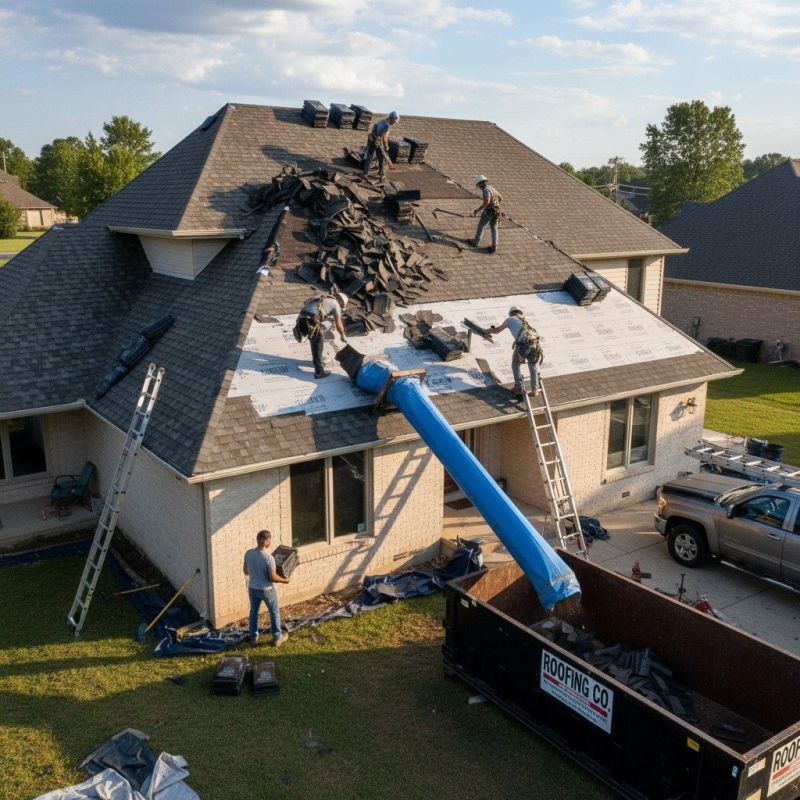
When evaluating local contractors for residential roof replacement, it is important to consider their experience with projects similar to the one at hand. Homeowners should inquire about how many comparable roof replacements the service providers have completed, paying attention to the scope and complexity of those jobs. An experienced contractor will typically have a better understanding of potential challenges and will be more familiar with the specific requirements involved in different roofing systems, ensuring a smoother process from start to finish.
Clear, written expectations are essential when comparing local service providers. Homeowners should seek detailed proposals that outline the scope of work, materials to be used, and any warranties or guarantees offered. Having this information in writing helps prevent misunderstandings and provides a concrete basis for comparing different options. It also demonstrates professionalism and a commitment to transparency, which can be indicative of a contractor’s reliability and approach to customer service.
Reputable references and effective communication are key factors in choosing a reliable contractor. Homeowners are encouraged to ask for references from past clients who had similar work done and to follow up with those references to learn about their experiences. Good communication throughout the process - including responsiveness to questions and clarity about the project - can significantly impact satisfaction. It is important to remember that this site introduces homeowners to local options, serving as a resource to connect with qualified service providers, rather than performing the work itself.
Property owners use Residential Roof Replacement services for practical projects around their homes and businesses. This guide focuses on everyday jobs and straightforward project options.
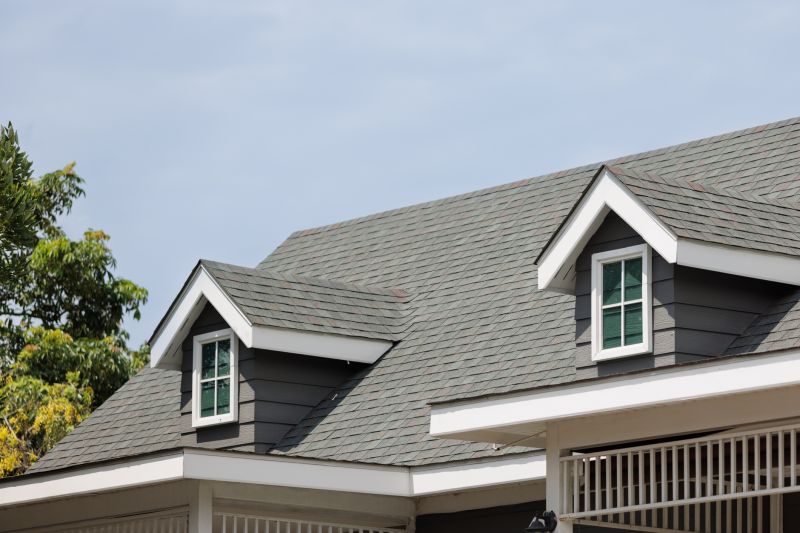
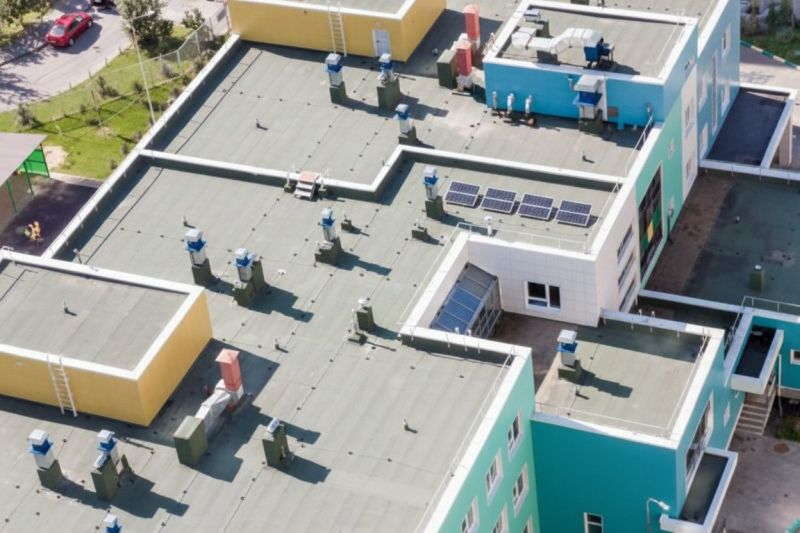
Residential roof replacement is often needed when property owners notice signs of aging, such as missing shingles, leaks, or visible damage after storms. Additionally, some homeowners may seek a new roof to improve the appearance of their property or to address long-term concerns about energy efficiency and structural integrity. Local contractors who specialize in roof replacement can assess these issues and provide solutions tailored to the specific needs of each home.
Many property owners consider roof replacement as part of routine maintenance or when preparing to sell their home. Others might experience sudden damage from severe weather events or fallen debris that compromises the roof’s condition. Service providers in the area are equipped to handle these common situations, offering professional guidance and quality installation to help ensure the home remains protected and visually appealing.
What are signs that a roof needs replacement? Indicators include visible damage like missing shingles, extensive leaks, or widespread wear that cannot be repaired effectively.
How do I choose the right contractor for roof replacement? Consider reviewing local contractors' experience, reputation, and the services they offer to find a provider that matches the specific needs of the roof replacement project.
What materials are commonly used for residential roof replacements? Common options include asphalt shingles, metal roofing, and clay or concrete tiles, each offering different durability and aesthetic qualities.
Will a roof replacement improve my home's energy efficiency? A new roof can help improve energy efficiency by providing better insulation and reducing air leaks, depending on the materials and installation quality.
What questions should I ask when consulting with a roofing contractor? Ask about their experience, the scope of work, warranties offered, and whether they handle permits or inspections required for the project.
Assessing Roof Condition - Property owners can use this service to evaluate the current state of their roof and identify areas needing attention before issues develop.
Planning for a Roof Replacement - Homeowners can explore options and gather information on materials and styles suitable for updating their roof.
Upgrading for Better Insulation - Property owners may consider replacing their roof to improve energy efficiency and reduce heating or cooling costs.
Preparing for Storm Damage Repair - Residents can find local contractors to handle repairs after weather events that impact their roof’s integrity.
If you are thinking about Residential Roof Replacement for a property, this guide is meant to help you understand the work, the typical project types, and how different options might fit your plans.
When you are ready, you can use the quote form on this page to share a few details about your project. From there, local pros can review the basics and respond with options that match what you have in mind.